

Searching for the ETSJavaApp release date can be surprisingly confusing. Different websites describe ETSJavaApp in different ways, publish conflicting timelines, and sometimes present estimated launch windows as if they were confirmed announcements.
The most important thing to understand is the difference between a verified release date, an expected release window, and an unconfirmed rumor. Without that distinction, it is easy to find a specific date online and assume that it comes from the developers or an official organization when it may simply be speculation.
This guide explains what can currently be said about the ETSJavaApp release date, why the available information is inconsistent, how to evaluate release-date claims, and what users should watch for before assuming that a launch has been officially confirmed.
ETSJavaApp Release Date: Is There an Official Date?
As of August 2026, the available public information does not provide a single, universally verifiable ETSJavaApp release date that can be treated as the definitive answer.
That does not mean that every website discussing ETSJavaApp is necessarily wrong. The problem is that the information available online is inconsistent. Different sources describe the project differently, connect it with different products or platforms, and provide timelines that do not always agree with one another.
For that reason, readers should be careful with statements such as:
- “ETSJavaApp launches on this exact date.”
- “The beta has definitely ended.”
- “Version 1.0 is officially available.”
- “The developers confirmed a specific launch window.”
A claim should not be considered confirmed simply because it appears on multiple websites. If those websites are repeating the same unsupported information, repetition does not turn speculation into an official announcement.
The safest conclusion is simple: verify any claimed ETSJavaApp release date through a clearly identifiable official source before relying on it.
Why Is the ETSJavaApp Release Date So Difficult to Verify?
The confusion appears to come partly from the fact that the name ETSJavaApp is not consistently described across online sources.
Some discussions connect it with gaming, esports, or eTrueSports-related content. Others describe it as a Java-focused application, development platform, or software ecosystem. These descriptions are not always supported by the same documentation or official product information.
This creates a basic verification problem.
Imagine finding three articles with the following claims:
| Source | Claim |
|---|---|
| Website A | Launch expected in 2025 |
| Website B | Public release expected in 2026 |
| Website C | The application is already available |
At first glance, it may seem that one of these sources must have the correct answer. However, there is another possibility: the articles may be referring to different interpretations, versions, regional rollouts, or even unsupported assumptions about the same name.
That is why a release-date search should begin with a more basic question:
What exactly is ETSJavaApp, and which product or version is being discussed?
Until that is clear, a release date alone can be misleading.

What Counts as a Confirmed Release Date?
A confirmed software release date should normally be traceable to a reliable primary source.
Examples include:
- An announcement from the developer or organization behind the product
- An official website
- Official documentation
- A verified company or product announcement
- An official app-store listing
- A public release page or changelog
- A verified software repository containing an official release
These sources are stronger than:
- Anonymous forum posts
- Unsourced blog articles
- Social media screenshots without verification
- “Insider” claims with no evidence
- Search-result snippets
- Articles that simply repeat another website’s claim
A useful rule is this:
The more important the claim, the stronger the evidence should be.
If someone claims that ETSJavaApp will launch on a particular day, the source should make it possible to verify where that information originated.
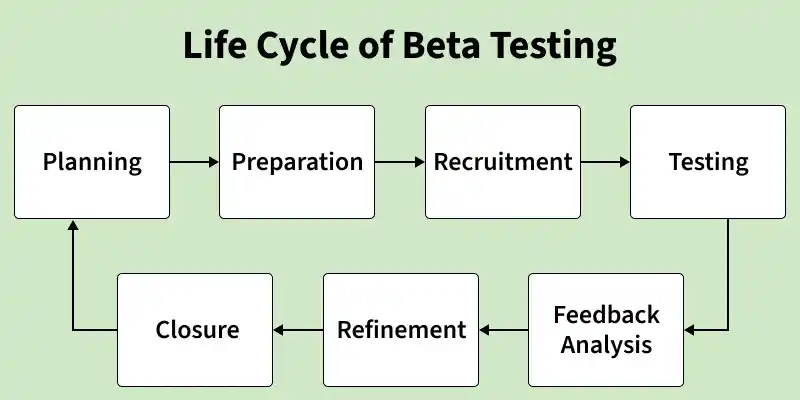
Release Date, Beta Release, and Full Launch Are Not the Same Thing
Another common source of confusion is the use of the word release.
Software does not always become available to everyone at the same time. A project can move through several stages.
1. Internal Testing
The development team tests the software privately.
Users may hear rumors that the application exists, but that does not mean it is publicly available.
2. Closed Beta
A limited group of testers receives access.
For example, a company might allow 500 invited users to test an application. That is a release in one sense, but it is not a public launch.
3. Open Beta
A larger group can access and test the product.
The application may still contain bugs, unfinished features, or compatibility problems.
4. Staged Rollout
The product becomes available gradually.
An app might launch first in selected countries, for selected devices, or to a percentage of users.
5. Full Public Release
The application becomes broadly available through its intended distribution channels.
This distinction matters when researching the ETSJavaApp release date. A beta date should not automatically be described as the official public launch date.
Likewise, an app being available to some users does not necessarily mean that a global release has occurred.
How to Check Whether ETSJavaApp Has Actually Been Released
If you want the most accurate answer at the time you are reading this article, use a simple verification process.
Step 1: Identify the Official Product Source
Look for a clearly identifiable official website or organization connected to ETSJavaApp.
Check whether the site provides:
- Product information
- Developer or company details
- Documentation
- Release notes
- Support information
- A clear download or installation method
Be cautious if a page makes major claims but does not identify who operates or develops the product.
Step 2: Check Official Release Notes
Release notes are often more useful than promotional articles.
A real software release may include information such as:
- Version number
- Release date
- New features
- Bug fixes
- Compatibility changes
- Known issues
For example, a genuine release note might state that version 1.0.0 was published on a specific date and list the changes included in that version.
That is much stronger evidence than a blog claiming that “the app is expected soon.”
Step 3: Check Official Distribution Channels
Depending on the type of application, this could include:
- Google Play
- Apple App Store
- An official download page
- A verified software repository
- An official package registry
However, even here, users should verify that the listing genuinely belongs to the correct developer or organization.
Similar names can sometimes create confusion.
Step 4: Look for a Version History
If ETSJavaApp has been publicly released, a version history may provide useful evidence.
For example:
| Information | Why It Matters |
|---|---|
| Version number | Shows that a specific build exists |
| Publication date | Helps establish the release timeline |
| Release notes | Explains what changed |
| Developer identity | Helps verify authenticity |
| Download source | Shows where the software is officially distributed |
A version history is not always available, but when it exists, it can be more useful than speculation about launch dates.
Why Exact Release-Date Rumors Spread So Easily
Specific dates feel more convincing than vague statements.
Compare these two claims:
- “ETSJavaApp may launch later this year.”
- “ETSJavaApp launches on October 15.”
The second statement sounds more authoritative because it is precise. But precision is not evidence.
A date can be completely invented and still look believable.
Release-date rumors often spread through a simple chain:
- One website publishes an estimated date.
- Another website repeats it.
- Additional articles reference the same estimate.
- Search engines index all of the pages.
- Readers see the date repeatedly and assume it has been confirmed.
This is especially common with smaller software projects, rumored products, games, and applications that do not have a strong, centralized source of official information.
The best approach is to trace the claim backward.
Ask:
Where did this date originally come from?
If the answer cannot be found, the date should be treated as unverified.
Also Read: AI Transformation Is a Problem of Governance
Real-World Example: How a Staged Software Launch Can Cause Confusion
Consider a hypothetical mobile application.
The developers begin testing it in March.
In April, selected testers receive access through a closed beta program.
In June, the app appears in an app store in two countries.
In August, the company announces worldwide availability.
Which date is the release date?
The answer depends on what someone means by “release.”
A user who gained beta access might say the app was released in April.
Someone in one of the first supported countries might say June.
The company might officially describe August as the global launch.
This example shows why a search query such as ETSJavaApp release date needs context. Before choosing a date, you need to know whether you are looking for:
- The first beta
- The first public availability
- A regional rollout
- A major version release
- The worldwide launch
Without that context, two people can provide different dates while both are referring to different stages of the same product.
What to Watch for Before the Official Launch
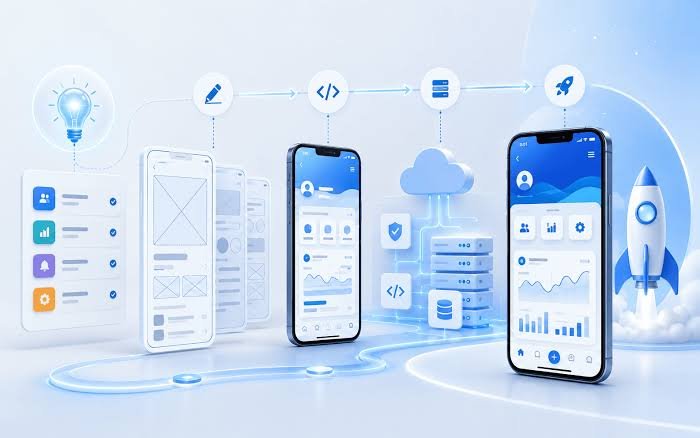
If ETSJavaApp is still awaiting a broader or clearly documented release, several signals would normally provide stronger evidence that a launch is approaching.
Official Download or Store Pages
A genuine product page with clear developer information is one of the strongest signs that software is becoming publicly available.
Release Notes
Version numbers and documented changes can help distinguish a real software release from a rumor.
Developer Documentation
Technical documentation, installation instructions, supported platforms, and system requirements can indicate that a product is preparing for wider use.
Public Announcements
A dated announcement from the organization behind the product is more reliable than an article interpreting vague comments.
Verified Support Channels
Official support pages, issue trackers, and product-specific communication channels can also help users distinguish a real project from speculation.
None of these signals alone guarantees a release date, but together they can provide a much clearer picture.
Advantages of Waiting for Verified Information
It can be frustrating to search for a product and find no clear launch date. However, waiting for verified information has several benefits.
You Avoid Fake Download Links
Unverified products and release rumors can attract unofficial websites claiming to offer early access or downloads.
Downloading unknown software can create security and privacy risks.
You Avoid Wasting Time
If a release date is speculative, repeatedly preparing for that exact day may be pointless.
A verified announcement gives users something concrete to act on.
You Get More Accurate Product Information
Rumors often include unsupported feature lists, device requirements, or pricing details.
Official information is more likely to explain what the product actually does.
You Can Distinguish a Delay From a False Claim
If no official date was ever announced, the absence of a launch does not necessarily mean the product was delayed. The original date may simply have been speculation.
Limitations and Risks of the Current Information
The biggest limitation surrounding ETSJavaApp is verification.
When a product’s identity, development history, features, or release schedule are described inconsistently across different websites, it becomes difficult to separate established facts from repeated assumptions.
Users should also be cautious about privacy and security.
Do not install a file simply because a website claims it is an early version of ETSJavaApp. Before downloading software, verify:
- Who published it
- Where it is hosted
- Whether the developer can be identified
- Whether the source is official
- What permissions or data access the application requests
If a future ETSJavaApp release becomes clearly documented through reliable official channels, those sources should take priority over older articles and search results.
Common Misconceptions About the ETSJavaApp Release Date
“If many websites list the same date, it must be true.”
Not necessarily. Multiple websites can repeat the same unsupported claim.
“An expected release window is an official announcement.”
No. A projected window can change and should not be presented as a confirmed date unless the developer clearly confirms it.
“If some users have access, the app has fully launched.”
Not always. The software could be in a closed beta, regional rollout, or limited testing phase.
“A precise date is more reliable than a vague statement.”
Precision does not prove accuracy. The source behind the date matters more than the date itself.
“No confirmed release date means the project does not exist.”
Not necessarily. It may mean that public information is limited, fragmented, or difficult to verify.
Frequently Asked Questions
What is the ETSJavaApp release date?
As of August 2026, there is no single ETSJavaApp release date that can be presented as universally verified from clearly authoritative public information. Any exact date should be checked against an official source before being treated as confirmed.
Has ETSJavaApp already been released?
Online information is inconsistent about whether the name refers to an existing application, a particular version, a limited rollout, or a project that is still awaiting a broader release. Verify the specific product and version through an official source.
Why do different websites give different ETSJavaApp release dates?
They may be relying on speculation, referring to different release stages, or describing the product differently. Repeated information is not automatically verified information.
Is there an ETSJavaApp beta version?
Claims about beta access should be verified directly through an identifiable official product or developer channel. Do not assume that a website claiming beta access is legitimate.
Where should I look for official ETSJavaApp updates?
Look for a clearly identifiable official website, verified developer announcements, official documentation, release notes, or legitimate software distribution channels associated with the actual product.
Can a release date change after it is announced?
Yes. Software launches can change because of bugs, security issues, compatibility problems, testing results, or distribution requirements.
Should I download ETSJavaApp from an unofficial website?
It is safer to avoid downloading software from unofficial or unverifiable sources. Wait for a clearly authenticated distribution channel whenever possible.
How can I avoid fake ETSJavaApp release-date information?
Trace the claim back to its original source. If a website cannot show where a specific date came from, treat it as speculation rather than confirmation.
Conclusion
The search for the ETSJavaApp release date does not currently have a simple, universally verifiable answer. The bigger issue is not just finding a date—it is determining exactly what ETSJavaApp refers to and whether the information comes from a reliable primary source.
The safest approach is to separate confirmed announcements from predictions, beta access from full releases, and official product information from repeated online speculation.
Until a clearly identifiable official source provides a definitive launch announcement, any exact ETSJavaApp release date should be treated with caution. For users who want accurate information, verification is more valuable than a precise date that cannot be traced to a reliable source.